

Summary:
This blog post delves into the intricate world of 401k plans, separating fact from myth around the government’s role. It dispels common misconceptions, such as the government’s ability to seize or access your 401k at will. Instead, it highlights legitimate scenarios, like unpaid taxes or bankruptcy proceedings, where government intervention may occur. The post emphasizes the importance of protecting your 401k, suggesting strategies like diversification and consulting with professional financial advisors. It further addresses frequently asked questions about taxation on 401k withdrawals, changes in laws, and the government’s influence on your 401k’s performance. Moreover, it advises caution against eroding your 401k through loan withdrawals or credit card debt that might trigger early withdrawal penalties. Ultimately, it encourages readers to take control of their 401k planning to ensure a secure and comfortable retirement.
Introduction
Have you ever found yourself lying awake at night, tormented by the question, “Can the government really take my 401k?” If so, you’re not alone. This query has haunted the minds of many hardworking individuals planning for their future. It’s time to shed light on the truth and bust some myths that have been circulating in the realm of retirement planning.
In this ever-evolving financial landscape, misinformation can be as dangerous as ignorance. The fear that the government could somehow reach into your retirement nest egg and claim it as their own is one such myth that has sent ripples of anxiety through many savers. However, it’s essential to separate facts from fear, reality from myth.
In this comprehensive guide, we will walk you through the intricacies of your 401k plan, exploring its relationship with government regulations and debunking the most common misconceptions. By delving into the actual scenarios when the government might access your 401k, we aim to equip you with the knowledge to safeguard your future against potential risks and uncertainties.
1. The Basics of a 401k Plan
At its core, a 401k is much more than just a number attached to your hard-earned savings. It is your ticket to a comfortable and stress-free retirement, a beacon of light in your golden years. But what exactly is a 401k, and how does it work? And why do some of us shudder at the thought of government involvement?
A. Understanding the Purpose and Structure of a 401k
A 401k plan, much like a loyal companion, accompanies you on your journey from your working years into retirement. It’s a form of defined contribution plan, which means you — the employee — determine how much to contribute, and your employer often matches a portion of that contribution. It’s as if you are planting a seed today that will grow into a sturdy tree in your retirement years, providing the shade of financial comfort.
The beauty of a 401k plan lies in its tax advantages. Your contributions are typically made with pre-tax dollars, which means the more you contribute to your 401k, the less income tax you pay now. It’s akin to a financial magician performing a tax-reducing trick right before your eyes.
B. The Role of the Government in Regulating 401k Plans
But where does the government fit into this picture? Think of the government as the watchful referee, ensuring fair play in this crucial savings game. The government, specifically the Internal Revenue Service (IRS), lays out specific rules about contributions, withdrawals, and the tax benefits involved.
Under the Employee Retirement Income Security Act (ERISA), your 401k is also protected from claims by creditors. Imagine the government as your financial bodyguard, shielding you from unforeseen blows that life might throw your way.
C. Common Reasons Why People Fear Government Intervention
However, with the government having such a strong regulatory role, it’s no wonder that some people feel a pang of apprehension. Misconceptions tend to spread like wildfire, especially ones that involve the words ‘government’ and ‘your money’. There’s a lingering fear that the government might alter the rules, levy higher taxes, or — the most common fear — seize your 401k. But how much truth is there to these fears?
2. Debunking Myths: The Government and Your 401k

In the world of financial planning, myths and misconceptions often spread faster than truths. These financial folklore tales, especially about the government and your 401k, could cloud your judgement and stir unnecessary anxiety. It’s high time we busted these myths wide open, replacing fear with facts.
Myth 1: The Government Can Seize Your 401k
This myth is like a scary campfire story, told to give anyone saving for retirement a sleepless night. But let’s shine the torch of truth on it: The government cannot just swoop in and seize your 401k. Remember the Employee Retirement Income Security Act (ERISA) we talked about earlier? It’s your knight in shining armor, protecting your 401k from both creditors and capricious government actions.
Myth 2: The Government Can Access Your 401k at Will
If this were true, it would be like having a bank vault with the government holding a master key. The reality, thankfully, is different. Although the government does regulate certain aspects of your 401k, it doesn’t have unrestricted access to your account. Only in very specific circumstances, such as unpaid federal taxes or penalties, can the IRS tap into your 401k. It’s not an everyday event, but rather a last resort measure.
Myth 3: Your 401k is Not Protected Against Government Seizure
This is a variant of the first myth, cloaked in different words. Despite what you might hear around the financial rumor mill, your 401k is well-protected. ERISA ensures your 401k assets are safe from the reach of creditors and the government. In the rare case of a national financial crisis, the government might change certain rules, but seizing your 401k is not on the agenda.
It’s crucial to remember that fear and confusion are the enemies of sound financial planning. When we pull back the curtain and debunk these myths, we see a different picture: a government that regulates, not pilfers, and laws designed to protect, not exploit.
3. When Can the Government Access Your 401k?
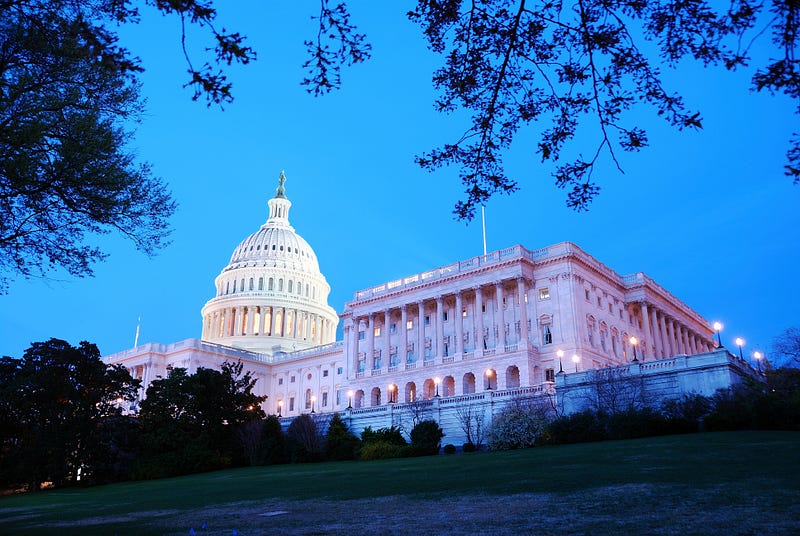
Now that we’ve laid some myths to rest, it’s time to unravel the instances when the government might get a peek at your 401k. It’s not an open book, but there are specific situations where Uncle Sam might come knocking at your retirement funds’ door.
A. Case Scenarios Explaining When the Government Can Access Your 401k
Remember how we likened the government’s role to a referee earlier? Well, there are times when the referee has to step in. Instances such as unpaid taxes or bankruptcy might warrant the government dipping into your 401k, but this is the exception, not the rule.
B. Unpaid Taxes and 401k
Consider this scenario: you’ve deferred paying your taxes, and now the IRS is on your trail. In this case, the government could place a lien on your 401k assets to recover the unpaid taxes. It’s like having a stack of unpaid bills; eventually, the collector will come knocking.
C. 401k and Bankruptcy Proceedings
Another scenario: you’ve filed for bankruptcy, and creditors are circling like hawks. Can they swoop in and claim your 401k? Thanks to ERISA, your 401k assets are generally shielded in bankruptcy proceedings. However, note that this protection may not extend to IRA accounts that received rollover funds from a 401k.
D. The Government and 401k During Economic Crises
Now, picture a national economic crisis. Could the government raid your 401k to bolster its coffers? While certain rules might change during an economic downturn, there’s no precedent for the government directly accessing individual 401k accounts. It would be like a librarian borrowing books from its patrons — it just doesn’t happen.
All these scenarios might seem worrying, but remember: they’re specific, exceptional cases. Your 401k is not a government piggy bank, but a shielded fortress, designed to protect your retirement dreams. Understanding these scenarios is not cause for panic, but a prompt to plan wisely and stay informed.
4. How to Protect Your 401k from Potential Risks

A. Tips to Safeguard Your 401k Plan
Protecting your 401k is akin to playing a strategic game of chess. First, be proactive with your 401k contributions. A consistent and disciplined approach is your most potent weapon against financial turbulence. Secondly, understand your risk tolerance. Like choosing between a safe pawn move or a daring queen gambit, your investment choices should align with your risk comfort level. Lastly, regularly review and adjust your portfolio. The financial world is not static, and neither should your 401k plan be.
B. Importance of Diversification in Retirement Planning
Diversification is the financial world’s version of not putting all your eggs in one basket. By spreading your investments across various asset classes, you minimize the risk of a single negative event wiping out your savings. Think of it as a team of superheroes; each one has their strengths, but together they can tackle almost any threat.
C. The Role of Professional Financial Advisors in Protecting Your Assets
Hiring a professional financial advisor is like recruiting a seasoned general to guide your financial army. They bring years of expertise and insights to the table, helping you strategize and optimize your 401k plan. They’re not just advisors; they’re your partners in crafting a secure financial future.
Remember, protecting your 401k is not just about fending off government intervention. It’s about charting a strategic path towards retirement, one that navigates through market volatility, economic uncertainties, and personal financial goals. So, equip yourself with these tips, diversify your retirement portfolio, and consider professional guidance to fortify your 401k castle.
Conclusion
The realm of 401k planning, surrounded by myths, government regulations, and market fluctuations, can often feel like navigating an unpredictable stock market. However, armed with accurate knowledge and effective strategies, you can transform this journey into a successful financial venture.
While Social Security provides a safety net, your 401k is a vital rope in your retirement climbing gear, one that you control. Don’t let it slacken with loan withdrawals or credit card debt that could erode your savings and potentially trigger early withdrawal penalties. A well-managed 401k can mean the difference between just getting by and sailing smoothly through your golden years.
So, whether you’re taking your first steps towards understanding your 401k plan or reevaluating your existing strategies, remember — knowledge is power. And in the game of financial planning, it’s the best card in your deck. Don’t fear the myths and uncertainties. Instead, face them with confidence and informed decisions.
Frequently Asked Questions
Can the Government Tax My 401k Withdrawals?
The short answer? Yes. But think of it as a delayed gratification. Your 401k contributions are made pre-tax, meaning the money goes into your account before it’s taxed. This strategy can significantly grow your retirement nest egg. However, when you start making withdrawals during retirement, those amounts are taxed as regular income. It’s a pay now or pay later scenario.
What Happens to My 401k If the Government Changes the Laws?
Changing laws can indeed impact your 401k, much like a sudden plot twist in your favorite show. The government might alter contribution limits, withdrawal rules, or tax implications. However, most changes tend to be gradual and rarely take existing 401k holders by surprise. To stay ahead of the curve, consider subscribing to financial news outlets or consulting with your financial advisor regularly.
Does the Government Provide Any Insurance for My 401k?
Unlike the comforting safety net beneath a trapeze artist, the government doesn’t directly insure your 401k. However, the Employee Retirement Income Security Act (ERISA) does protect your 401k from certain scenarios like fraudulent activities or bankruptcy. Remember, though, the value of your investments can fluctuate with the market, and these risks are not covered by ERISA or any other form of government insurance.
Can the Government Force Me to Withdraw from My 401k?
Not directly, but there are rules in place that mandate Required Minimum Distributions (RMDs) when you reach a certain age. Currently, this is 72 for most people. The government requires these withdrawals to ensure that deferred tax money eventually makes its way into the revenue stream. It’s like the final act in a play; the curtain has to close at some point.
Can the Government Affect the Performance of My 401k?
Indirectly, yes. The government influences the economy through policies, interest rates, and fiscal decisions, which in turn can impact the financial markets where your 401k is invested. Imagine it as a ripple effect; a stone thrown in a lake (government actions) can create ripples (market reactions) that reach your boat (your 401k). However, remember that many factors influence market performance, and government actions are just one piece of a complex puzzle.
